

What is hypospadias repair?
Hypospadias (hi-po-spay-dee-us) repair is a surgical procedure that repairs Hypospadias.
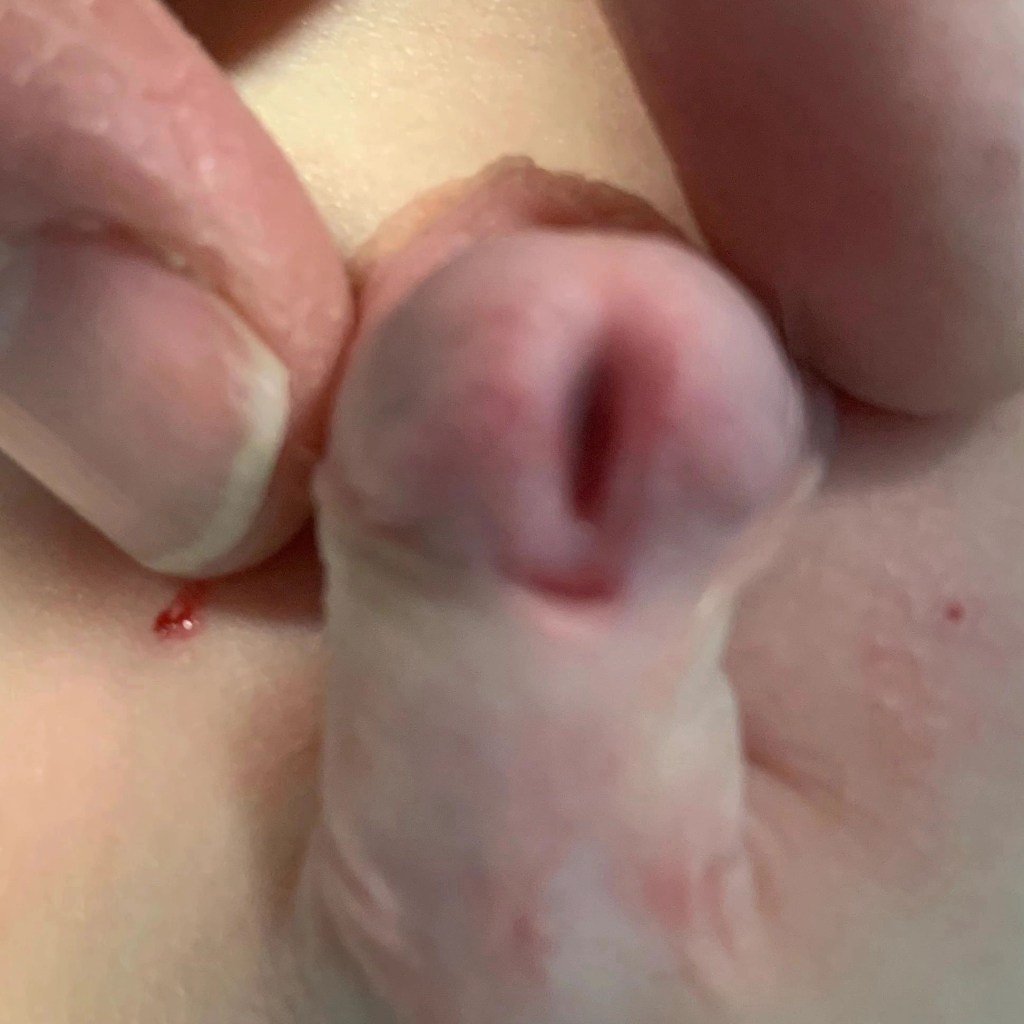
Hypospadias is a congenital condition (you’re born with it) in which your urethra (the tube where pee and sperm leave your body) doesn’t properly develop in your penis. Another name for the opening of the urethra is the meatus (me-ate-us). The meatus is typically at the end of your penis.
In a baby with hypospadias, their meatus forms in a different location. It may form:
- Near the head of their penis (subcoronal).
- Along their penis shaft (midshaft).
- Where their penis and scrotum meet (penoscrotal). The scrotum is the pouch of skin behind their penis that typically contains their testes.
If your child has hypospadias, they may also have congenital penile curvature (chordee) and penoscrotal transposition (a condition in which their scrotum forms above their penis). Your child’s healthcare provider may need to correct these conditions as well.
Hypospadias repair surgery is typically performed in early childhood, often between 6 months and 2 years of age. The choice of technique depends on the severity of the condition. Common techniques include the TIP (Tubularized Incised Plate) procedure and the Snodgrass technique, both aiming to reconstruct the urethra and correct the anatomical abnormalities associated with hypospadias. The choice of technique is influenced by factors such as the location of the urethral opening and the surgeon’s experience.
Complications
Complications following hypospadias repair can include infection, urethral fistula (abnormal opening), meatal stenosis (narrowing of the urethral opening), and cosmetic issues. Stricture, where the repaired urethra narrows, and chordee, an abnormal curvature of the penis, are also potential complications. Regular follow-up with a healthcare provider is crucial to monitor and address any issues that may arise post-surgery.
 P.S.On.S
You must be logged in to post a comment.